www.cheetahbotswana.com

conserving the wild cheetah population of Botswana    


Latest news

July 2010
Veterinary Support Clinics for Livestock Guarding Dogs

In July, Cheetah Conservation Botswana (CCB) held a veterinary clinic for Livestock Guarding Dogs (LSGD) with the help of Dr. Munir Kureshi and Dr. Jim Coddington from California, as well our own project veterinarian, Dr. Kyle Good. CCB has a nationwide LSGD network which provides support services to users of this effective technique to deter predators. Support includes ongoing assistance in setting up and maintaining a successful LSGD operation and free veterinary care once a year. This is provided through veterinary clinics in different regions of the country annually.
The 2 veterinarians had generously offered their services voluntarily to support the LSGD network during their visit to Botswana. During the 4 days of the clinics the team sterilized 18 LSGD’s in Southern and Western Botswana. All the dogs did well after surgery and were soon back to work with their respective herds and the farmers were greatly appreciative of the service. Due to the vast areas covered, the majority of the dogs were brought to central locations each day for surgery ranging from kraals at cattle posts to vacant houses in town. Our team covered 800 km (500 miles) in just a few days. This required a lot of manpower collecting and returning dogs to their farms after the surgeries. The big challenge is reaching dogs working farther afield in very remote areas.
CCB has held 6 clinics for the LSGD network to date. This was CCB’s first clinic with the support of international veterinarians and also the first that went on the road to several locations. It was effective, well received and a great learning experience allowing us to fine tune this important and popular farmer support service.
Although an overall success, we believe it can be improved. A 4x4 mobile unit could be used to reach dogs in outlying farms and decrease the set up and take down times of the surgical site. This would make it possible to carry out the veterinary care on site at the farm or cattlepost and remove the need for transporting dogs to and from the central veterinary care site. It also makes it possible to attend to several dogs in a day in different farming areas of the country. We are currently seeking donations towards this positive development.
CCB will continue to provide veterinary support for these important guardians of livestock and work towards promoting this and other methods of effective management that can facilitate a more sustainable future for Botswana’s rangelands.
Many thanks are due to Munir and Jim for sharing their skills and time with CCB. Both veterinarians are also excellent photographers so we received some great photos and advice, as well as a video camera from Munir to record our ongoing activities. Thankyou!

June 2010
The 2 cheetah brothers soon to be released!

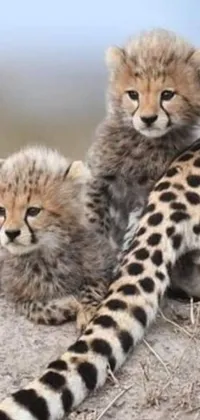
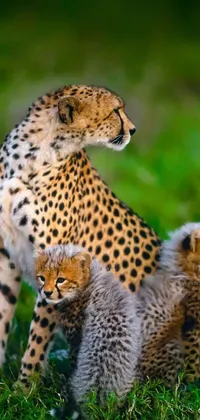
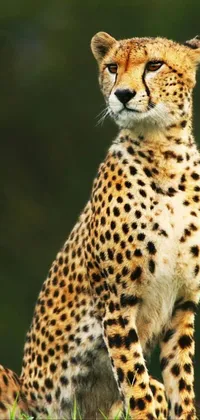
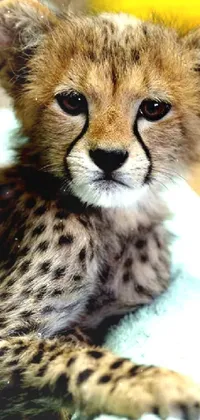
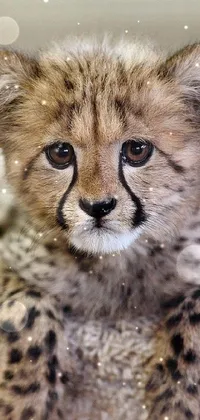
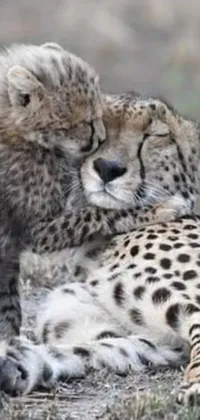
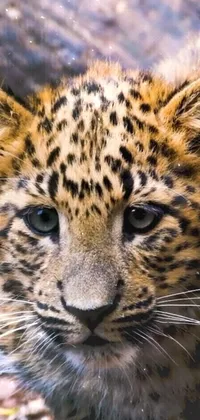
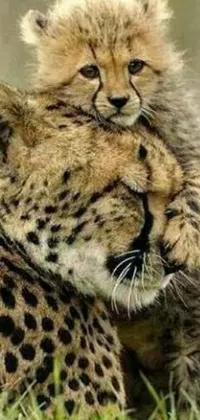
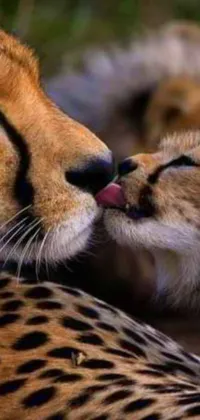
The two orphaned cheetah cubs being cared for at CCB’s Western Kalahari camp in Ghanzi have been successfully moved to their new home in the Selinda Reserve in Northern Botswana. The two cubs named Tlotlo (Respect) and Kgotso (Peace) came to CCB when they were 6 months old. The cubs had been caught by a community in Southern Botswana and whilst efforts were made to locate their mother, they were not successful. So the brothers moved to the CCB Ghanzi camp in March 2009 and have since been raised with minimal human contact, preparing them for eventual release into the wild.
Last week, the two brothers had medical health checks and were fitted with satellite navigation GPS collars. The collars will enable us to keep track of their progress once released. The CCB team and the young cheetahs then made the 600km journey from Ghanzi to the Selinda Reserve, in Northern Botswana. Their new home is an unfenced 320,000 acre private reserve, abundant with wildlife, including predators such as wild dog and leopard, large herbivores such as elephant and hippo and a wide range of natural prey for the cheetah, such as impala, duiker and hares.
The cheetah behaved extremely well during the journey to Maun by vehicle and then on to Selinda Reserve by light aircraft. Once landed at the dirt airstrip in Selinda, we headed to the 50 acre enclosure set up as their new temporary home. The enclosure allows time for the cheetah to adjust to their new environment, refine hunting techniques and begin to associate the area as their territory. Dr Kyle Good and research assistant Harriet Reeves released the cats next to a natural pan within the enclosure. The brothers exited their boxes calmly and cautiously, as they began to explore their new surroundings. They are now settling in to the temporary enclosure before their final release onto the reserve in a few weeks time. Then for the first time since they were 6 months old they will be able to explore their environment without coming to a fence. However, they will have many obstacles to overcome, including perfecting their hunting abilities and surviving in an area with other predators, but we are confident in their abilities and believe they deserve their chance for freedom. Lorraine Boast, CCB Research Coordinator, will remain at Selinda for several weeks after the release to monitor their progress in their new wilderness home. They will then be monitored by their satellite collars for a further 2 years.
We would like to take this opportunity to thank everyone who has helped make their release possible. Thanks to Selinda Reserve and its staff, for their assistance and dedication in building the release enclosure and supporting CCB staff. Thanks to the Botswana Department of Wildlife for their assistance. Thanks to SPOTS and the adopted parents whose interest in the cubs has enabled us to purchase collars and monitor their release. Thanks to Wildlife Conservation Network and Howard G. Buffet Foundation for ongoing support. Thanks to Cheetah Friends of Europe for funds towards transport and to everyone else who with your support, advice and time, made this initiative possible.


May 2010
Predator Education Weekend at CCB Ghanzi Camp for Windows of Hope

During the first weekend of May, Cheetah Conservation Botswana hosted their first independently run environmental education weekend at CCB’s bush camp in the Ghanzi farmlands. Forty children from the “Windows of Hope” organization, an NGO devoted to help orphaned and vulnerable children in Ghanzi, attended the weekend. The aim was to teach the children about predators and their environment and how to live in harmony with the flora and fauna around them. The children learnt about the different habitats that are found throughout Africa and the specific habitats here in Botswana. They also learnt about the food web and the importance that each animal plays in the delicate balance of life. They played predator-themed games and enjoyed learning the true meaning of teamwork as they negotiated the tricky ropes course. The children and teachers enjoyed the weekend thoroughly and came out of it with a new appreciation of predators and the environment as a whole. CCB looks forward to hosting more of these education weekends in the near future, and draws great satisfaction from teaching the leaders of tomorrow about the beauty and value of the natural resources here in Botswana.


April 2010
Cheetah Conservation Botswana and the Western Kgalagadi Conservation Corridor Project!

Cheetah Conservation Botswana and Conservation International are collaborating in the development of a manual that aims to reduce Human Wildlife Conflict in the Western Kgalagadi Conservation Corridor (WKCC).
The WKCC Project was established by Conservation International to establish formally conserved wildlife corridors between two main protected areas, the Kgalagadi Transfrontier Park and the Central Kgalagadi Game Reserve and address the needs of local people by developing initiatives for sustainable utilization of natural resources.
The project will improve biological, land use and socio-economic knowledge of the region, as a base for planning and management. It aims to reduce human wildlife conflict and provide capacity building within local communities towards sustainable use of natural resources. The collaboration between CCB and CI has included extensive consultation with local communities, their leaderships and other stakeholders from government and non-governmental organisations. A range of activities are planned for the next 6 months including farmers workshops, teacher training workshops and school visits, a competition for the best farmer in the WKCC and a pilot scheme to test the effectiveness of various livestock management methods to reduce predator conflict. We will keep you updated on developments with this project. Thank you for supporting our efforts in conservation!


March 2010
'Spirit of the Kalahari' goes on the road!

In 2009, CCB in partnership with Lobone Creations launched the “Spirit of the Kalahari” theatre production. The theatre was wonderfully performed with song and dance by well known local performance group, Moremogolo Theatre Trust. After the launch to the Gaborone community, Spirit of the Kalahari was developed into a road show and was taken to the local pastoralist communities residing in human wildlife conflict hotspot areas. The conflict between the farming populations and wildlife in these areas is mainly due to predation, by species such cheetah, leopard and jackal.
Although CCB has initiatives in place to help reduce this existing tension, the Spirit of the Kalahari theatrical production was a new initiative to compliment our existing activities in promoting the message of conservation.
The production was designed to blend local culture through song and dance to strengthen the message and inspire people in a traditional format. It is essential to raise awareness for the issue of increasing human wildlife conflict. In the past, Botswana’s rural communities have existed in harmony with wildlife, which is why we still have important populations of Africa’s threatened species. However, this tradition of mutual respect and tolerance is slowly eroding due to various factors. By using a medium that local people recognize and identify with, we hope to rekindle traditional values of their culture that promote sustainable utilization of natural resources and the lost spirit of coexistence between man and his natural environment. The road show is scheduled to continue to other communities in the Kalahari areas and we hope this ongoing initiative will reach as many as possible. Thank you for your invaluable support which has made it possible for CCB to promote the Spirit of the Kalahari!


September 2009
Victor's Freedom

Victor the adult male cheetah rescued during an anti-poaching operation in southern Botswana, by authorities, is free. Four months later, data from his collar shows he remains alive and well. He appears to be avoiding farming areas, and according to the latest GPS position, is moving north from where he was released in the Kalahari Transfrontier Park (KTP) to a Wildlife Management area south of the Central Kgalagadi Game Reserve. The two defendants in Victor's case pleaded guilty and have been prosecuted. The successful prosecution of poaching activities is huge investment in time, money and collaboration between stakeholders.

Victor was one of the few lucky ones, illegal trade and other threats to wildlife especially endangered species such as Cheetah remains a challenge. Botswana authorities and the collective efforts of all stakeholders in conservation are working towards reducing and eventually eliminating these kinds of incidences. We continue to monitor Victor’s progress and of course we will keep you updated.